
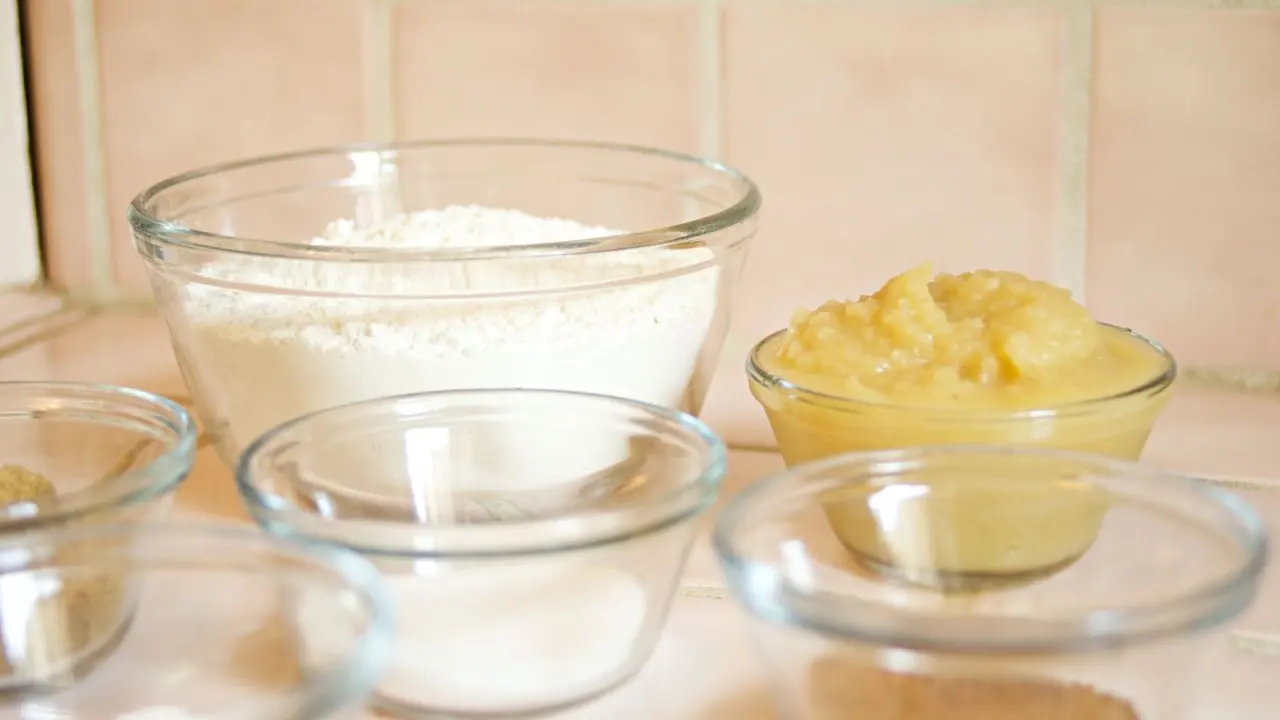
Standing in the flour aisle, unsure which bag will rescue your cake? The best gluten free flour for baking depends on what you’re making: a cup-for-cup blend for cookies and cakes, a yeast-friendly flour for bread.
If you would rather buy a loaf than bake one, see our guide to gluten free bakeries Centennial CO.
| Item | Value |
|---|---|
| Gluten limit on products labeled gluten free, as cited by Bob’s Red Mill | Less than 20 ppm of gluten |
| Gluten-free flours in King Arthur’s May 2023 guide | Four |
| Best fit for a cup-for-cup blend | Non-yeast recipes such as cookies, cakes and muffins |
| Best fit for a blend without xanthan gum | Yeasted breads, with the binder added by you |
| Xanthan gum in King Arthur’s gluten-free all-purpose flour | None |
These figures come from Bob’s Red Mill’s flour guide and King Arthur Baking’s May 2023 flour guide. Product lines and standards can change, so check the sources before you rely on them.
Why gluten-free flour needs a different approach
Gluten is a protein found in certain grains like wheat, barley and rye, according to Bob’s Red Mill. Once it meets water and gets mixed or kneaded, it traps gas bubbles, binds the dough and gives it stretch. That is where much of the rise, structure and chewiness in bread, cookies and cakes comes from.
Yeast bread leans on gluten the hardest. King Arthur Baking explains that in wheat dough, gluten captures the carbon dioxide given off by yeast, and that is what makes the dough rise.
Tender bakes are the opposite case. King Arthur notes that some baked goods are best with as little gluten development as possible, because they benefit from a tender rather than chewy texture.
So the first question when you pick a flour is simple: is your recipe yeasted or not? Everything else follows from that answer.
Blends or single-ingredient flours?
Gluten-free flours come in two broad styles, and Bob’s Red Mill describes both. A blend combines several flours, starches and binders to give structure, texture and moisture similar to all-purpose flour. Single-ingredient flours behave differently: each one adds its own characteristics rather than trying to replace wheat flour alone.
- Blends with xanthan gum: built to be swapped into a recipe with little fuss.
- Blends without added binders: leave you to add the amount of gum a recipe calls for.
- Single-ingredient flours: add softness, moisture, structure or flavor, and many work best paired with other flours or starches.
When you shop, look for packs labeled gluten free. Bob’s Red Mill’s guide says to choose products tested to meet the FDA’s gluten free standard of less than 20 ppm of gluten (source).

Which flour suits cakes, cookies and muffins?
For non-yeast baking, a cup-for-cup blend is the easiest route. Bob’s Red Mill’s product page says its version replaces wheat flour cup for cup in non-yeast recipes, and names cookies, cakes, brownies, muffins and pancakes as uses.
That blend is built from white rice flour, brown rice flour, potato starch, sorghum flour, tapioca flour and xanthan gum, per the brand’s flour guide. Because the gum is already in the bag, you don’t need to add any.
King Arthur makes the same point from the baker’s side. In a non-yeasted recipe, the easiest method is to swap its Measure for Measure flour for the all-purpose flour. The same post argues that removing gluten can give a more tender crumb, a fudgier texture or crispier edges.
If this is your first gluten-free bake, our guide to gluten free baking for beginners is a gentle place to start.
Choosing flour for yeast bread
A cup-for-cup blend is the wrong tool here. King Arthur says its Measure for Measure flour is perfect for cakes and cookies but is not meant for yeasted recipes.
Two kinds of flour fit better:
- A gluten-free all-purpose blend without xanthan gum. Bob’s Red Mill points to its all purpose baking flour for yeasted breads, and says you add the binder the recipe calls for.
- A bread-specific flour. King Arthur says its gluten-free bread flour can stand in for both bread flour and all-purpose flour, and you simply swap 1:1 by weight or volume.
This is easier than it used to be. A 2020 King Arthur guide notes that you no longer have to hand-blend eight different flours and starches to bake a gluten-free loaf.
Once you have picked a flour, try it in a gluten free bread recipe written for that type of flour.
Reading the label for xanthan gum
Xanthan gum is a common food additive, found in sauces, dressings, ice cream, yogurt and gluten-free baked goods, says King Arthur’s xanthan gum guide. In baking it helps re-create the binding nature of gluten without using gluten itself.
That is why the bag matters. King Arthur’s all-purpose gluten-free flour has none, so bakers can choose their own gums. The same guide gives a handy tip: if a recipe lists xanthan gum as an ingredient, you should typically use gluten-free all-purpose flour.
Check the ingredient list before you mix, so you know whether a binder is already in the flour or still needs adding.
A quick way to decide
- Look at the recipe. Does it use yeast? If yes, reach for a bread flour or an all-purpose blend without gum.
- Scan for xanthan gum. If the recipe adds it, pair the recipe with a blend that doesn’t already contain it.
- Check the label. Look for a gluten free claim and testing, then match the flour to the bake.
Not every flour fits every job. Bob’s Red Mill warns that what bakes up soft and chewy cookies may produce a dense cake.
Frequently asked questions
Is there one best flour for every recipe?
Show answer
No single bag does it all. King Arthur’s bread guide says that for yeasted baking it comes down to two flours: its gluten-free all-purpose flour and its gluten-free bread flour. Cakes and cookies are better served by a cup-for-cup blend.
Why did my gluten-free bake turn out dense or crumbly?
Show answer
The flour may not suit the bake. Bob’s Red Mill says that, without gluten, baked goods can turn out dense, crumbly, dry or gummy if the flour isn’t designed for the type of baking you’re doing.
Can I use a cup-for-cup blend in bread?
Show answer
It is not the right match for yeast. King Arthur’s bread flour post says its Measure for Measure is not meant for yeasted recipes, so pick a bread flour or a blend without xanthan gum instead.
Do I still add xanthan gum myself?
Show answer
That depends on the bag. A blend with the gum already inside doesn’t need more, while Bob’s Red Mill says a blend without gums leaves you to add the binder the recipe calls for.