
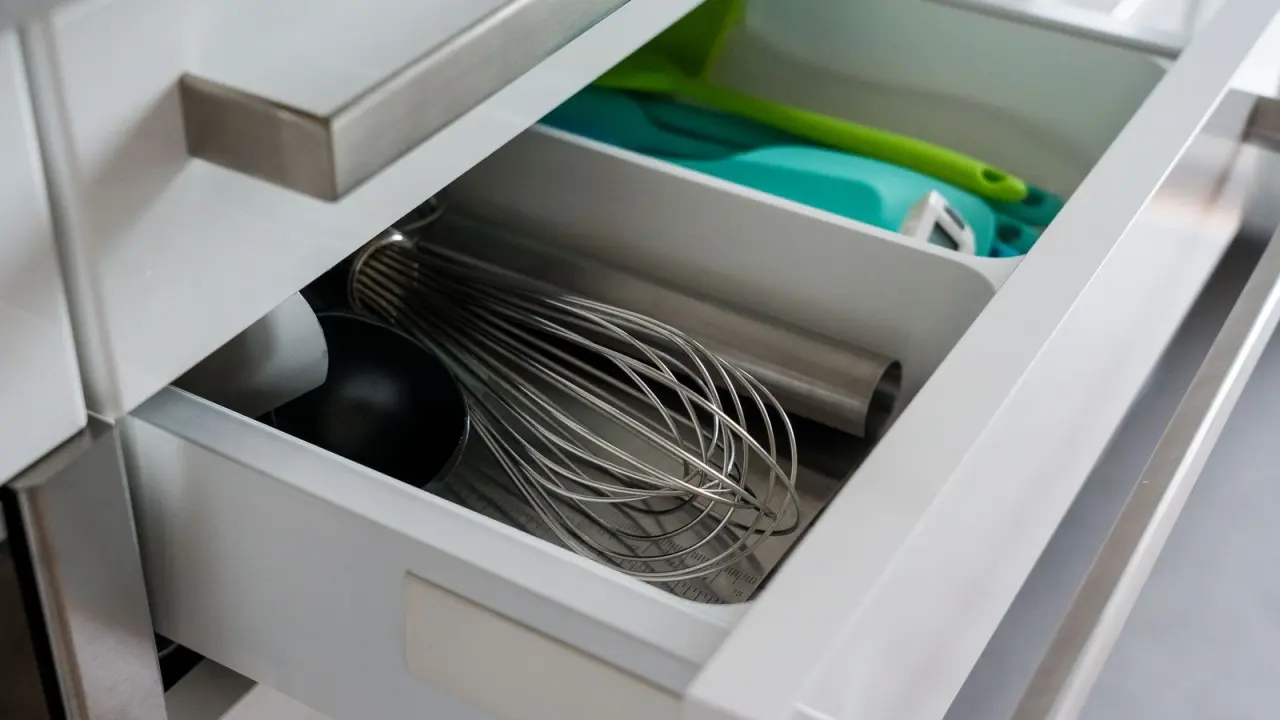
If you bake gluten-free in a kitchen that also handles wheat, the worry is real. Here is how to prevent gluten cross contact in baking: use the higher oven rack, cover trays, and keep key tools separate or well cleaned.
This page is a home-baking companion to our local look at gluten free bakeries Centennial CO, for days when you would rather bake than buy.
| Item | What the source advises |
|---|---|
| Standard oven | Place gluten-free items on the higher rack, covered if possible |
| Convection oven | Always cover the gluten-free item, even when it bakes alone |
| Muffin tins and cake pans | Use cupcake liners or parchment paper as a barrier |
| Bread machine | Use a dedicated gluten-free machine |
| Sifters, colanders and waffle irons | Do not share between gluten-free and gluten-containing use |
These points come from the Gluten Intolerance Group’s guidance on appliances and on staying safely gluten-free. Advice can change, so check the sources before you rely on it, and ask your healthcare team about your own needs.
What cross-contact means in a baking kitchen
Cross-contact takes place when food is prepared on shared surfaces, or with utensils and cookware that were not thoroughly cleaned after gluten-containing foods, as the Gluten Intolerance Group explains. The term is used for gluten, while “cross-contamination” more often refers to bacteria.
Baking raises the stakes because flour travels. The same guide notes that in kitchens where gluten-containing flours may be airborne, the dust can settle on surfaces, utensils and gluten-free products (source).
It helps to think of three routes, and to plan for each one:
- Air and crumbs: flour dust and falling bits in the oven, pantry and fridge.
- Surfaces and tools: boards, pans, mixers, sifters and anything with grooves.
- Ingredients: shared jars, open bins and unlabeled mixes.
Before any equipment changes, have the talk with the people you live with. The guidance asks that other household members clearly understand why certain foods and kitchen items must stay gluten-free (source).
Oven rules for gluten-free baking
When you can, bake gluten-free and gluten-containing items separately. If that is not possible, the guidance says to put the gluten-free items on the higher rack so crumbs or bits of gluten-containing food cannot fall onto them (source).
For extra safety, cover the gluten-free tray even when it sits on top. A sheet of foil or a lid-style cover is a simple way to do it.
A convection oven needs more care. Its rear fan blows air through the whole oven, so wheat dust or food particles can land on gluten-free food (source).
The advice here is to avoid baking the two kinds of food at the same time, or to cover the gluten-free item if you must. The same page says to cover it even when it is the only thing in the oven, because particles from earlier sessions may still be present.
Do not count on heat to sanitize anything. In its grill guidance, the group states that high temperature does not “burn off” gluten, and that thorough cleaning with soap and water is what removes it (source).
Which pans, tools and appliances need separating?
The guidance singles out a list of items that deserve extra cleaning attention before gluten-free cooking. You can also buy a second set and store it apart (source). The baking-relevant ones include:
- Wooden utensils and wooden rolling pins
- Cutting boards
- Nonstick pans and cast iron skillets
- Cake pans and muffin tins
- Food storage containers
- Waffle irons and sink sponges
Some items are simply hard to get clean. Strainers, colanders and flour sifters hold gluten in crevices, which the group calls a significant threat (source). Another page says colanders, sifters and waffle irons should not be shared between gluten-free and non-gluten-free use, while soap and water is enough for most other equipment (source).
Wear matters too. Plastic or wooden utensils and nonstick coatings can develop grooves that collect gluten, so consider replacing worn items (source).
For muffin tins and cake pans, the easy fix is a barrier. The guide suggests cupcake liners or parchment paper (source).
Mixers, machines and the dishwasher
Food processors, blenders and stand mixers have washable parts and parts that cannot go under water. Wash every component that touches food after each use, and wipe the non-washable parts thoroughly before gluten-free work (source).
For bread, the guidance is blunt: use a dedicated gluten-free bread machine, and treat two separate machines as the safest approach. A shared dishwasher load is fine if the machine is working well and cleans thoroughly (source).
Planning a batch of gluten free chocolate chip cookies? Run this equipment list first, since the scoop, sheet and mixer bowl are all shared surfaces.
Ingredients, storage and shopping
Give your baking supplies a home of their own. The guidance suggests a gluten-free area in the fridge or pantry, ideally on a top shelf so crumbs and dust from other foods cannot fall onto it (source).
Jars are a quiet hazard. Avoid double dipping from reusable jars, and consider buying duplicates of items like peanut butter and jam, or splitting a large container into two labeled ones before first use (source).
Shopping carries risk as well. A few habits help:
- Skip the store’s bulk section, where scoops and nearby bins can carry gluten-containing ingredients (source).
- For oats, choose products that are certified or at least labeled gluten-free, and check with your physician or dietitian before adding them (source).
- For spices, pick ones labeled gluten-free, or third-party certified for extra assurance (source).
A pre-bake routine you can repeat
Turn the advice above into a short routine so it becomes habit. Adjusting a recipe for elevation is a separate job, covered in our guide to high altitude gluten free baking.
- Tell everyone in the house that you are about to bake gluten-free.
- Wash the counter, bowls and tools with soap and water, or take out your dedicated set.
- Line pans with liners or parchment, and take ingredients from your separate shelf.
- Bake on the higher rack with the tray covered, or use the oven before anyone else does.
- Store finished bakes in a clean container, away from gluten-containing foods.
What about baked goods made in someone else’s kitchen?
Commercial kitchens face the same flour-dust problem described earlier. The guide says airborne flours can settle on surfaces, utensils and gluten-free products there (source).
For restaurants, the group advises calling ahead and speaking directly with staff or management about cross-contact risk (source). Asking a bakery the same kind of direct questions is a reasonable habit, though that page does not address bakeries specifically.
Frequently asked questions
Can gluten-free and regular bakes share one oven?
Show answer
They can, with precautions. Staggering the batches is the cleaner option, and if both must go in together, the gluten-free tray belongs on the upper rack with a cover over it, as the appliance guidance describes.
Does a hot oven burn the gluten off pans?
Show answer
No. According to the group’s grill advice, heat will not destroy it; scrubbing with soap, water and a good tool will.
Do I really need a second bread machine?
Show answer
The group recommends keeping one machine strictly for gluten-free loaves and never baking both kinds of bread in the same unit, per its appliance page.
Are oats fine in gluten-free baking?
Show answer
Oats can touch gluten grains in the field or during processing. For people with celiac disease, the guidance is to use only certified or at least gluten-free-labeled oats, in small amounts, after talking with a doctor or dietitian.